
Nashville
SEO
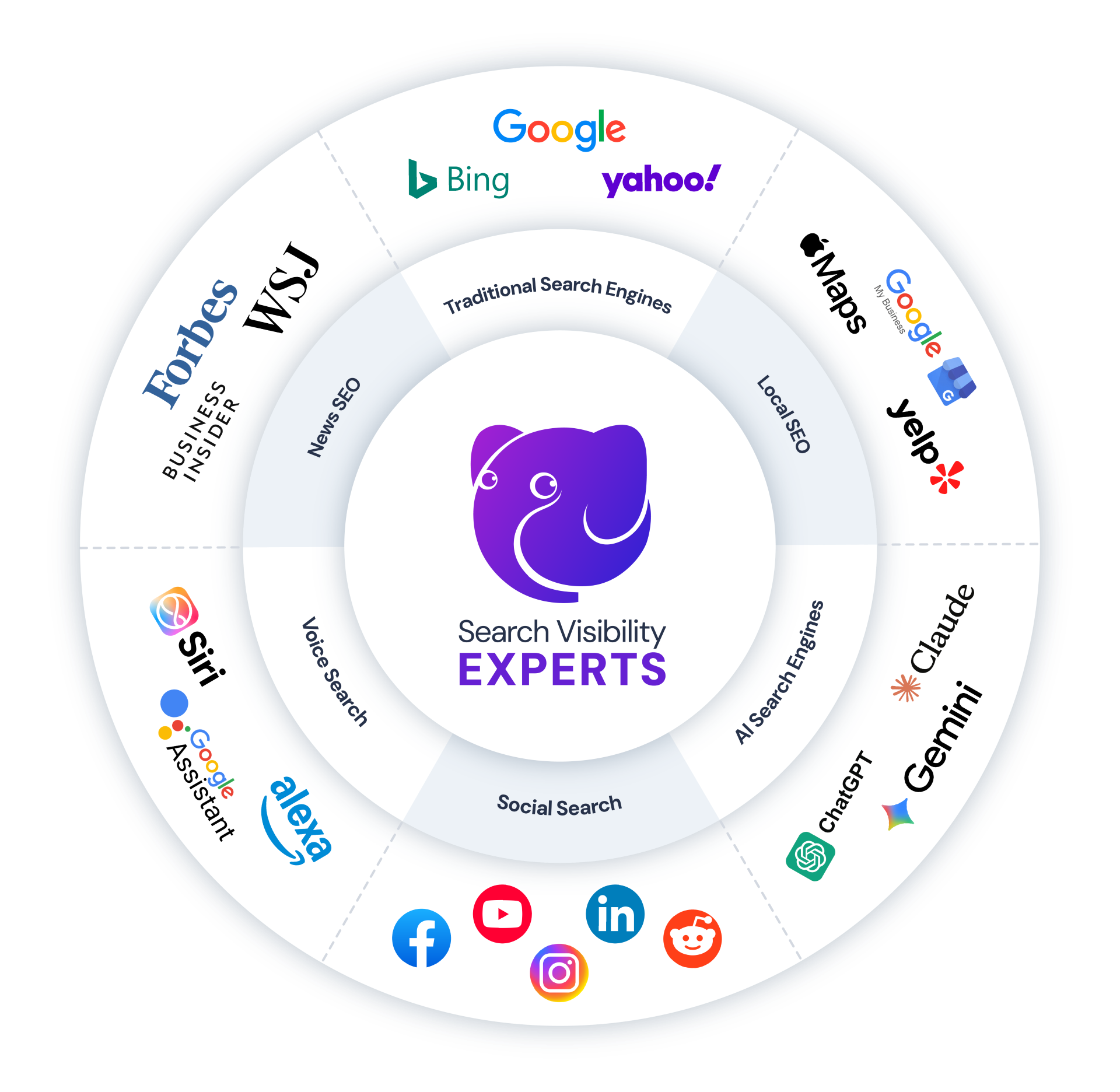
Search Engine Optimization (SEO) is an ever changing game. Our Nashville SEO firm delivers search engine and AI search visibility results using proven inbound marketing strategies within “white hat” guidelines.
A Nashville SEO firm that will rank your website in Google and AI searches that matter most to your bottom line.
An area used car dealer with locations in Smyrna, Madison, and Nashville approached Horton Group, a Nashville SEO and AI search visibility agency, to help make the most of their online marketing presence. While the dealership ranked well for “buy here, pay here” + “city” searches, they were missing out on tremendous opportunities to attract targeted online traffic, generate quality leads and convert those leads into car-buying customers. By employing strategic national and local SEO, GEO (Generative Engine Optimization), and AI search visibility strategies, plus adding PPC (pay-per-click) campaigns, Horton Group’s specialists helped them refine their goals and realize new business opportunities. In just over two months, sales at one of their locations showed a 50% increase. Horton is an SEO and AI search visibility firm that can help your business grow.
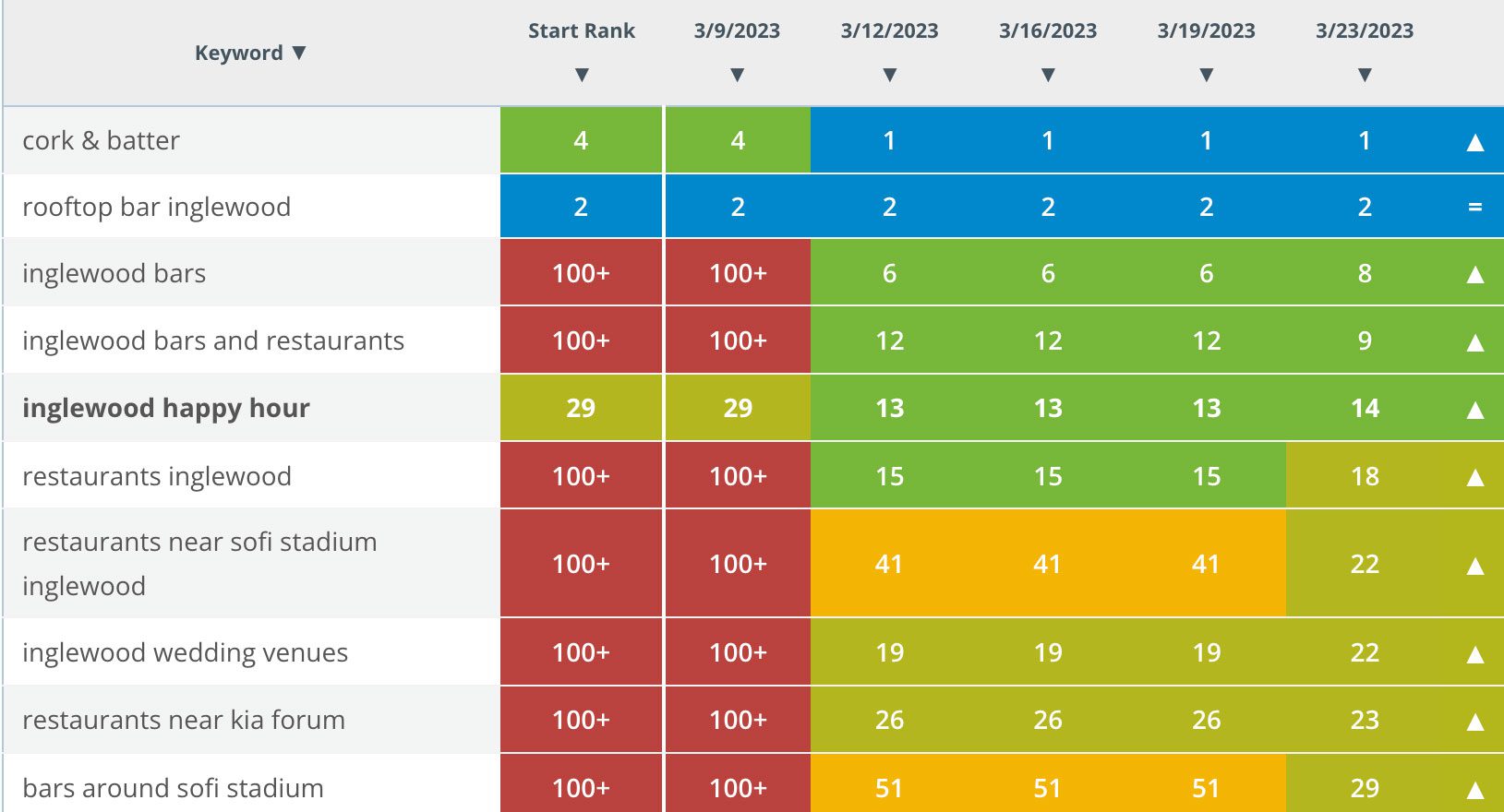
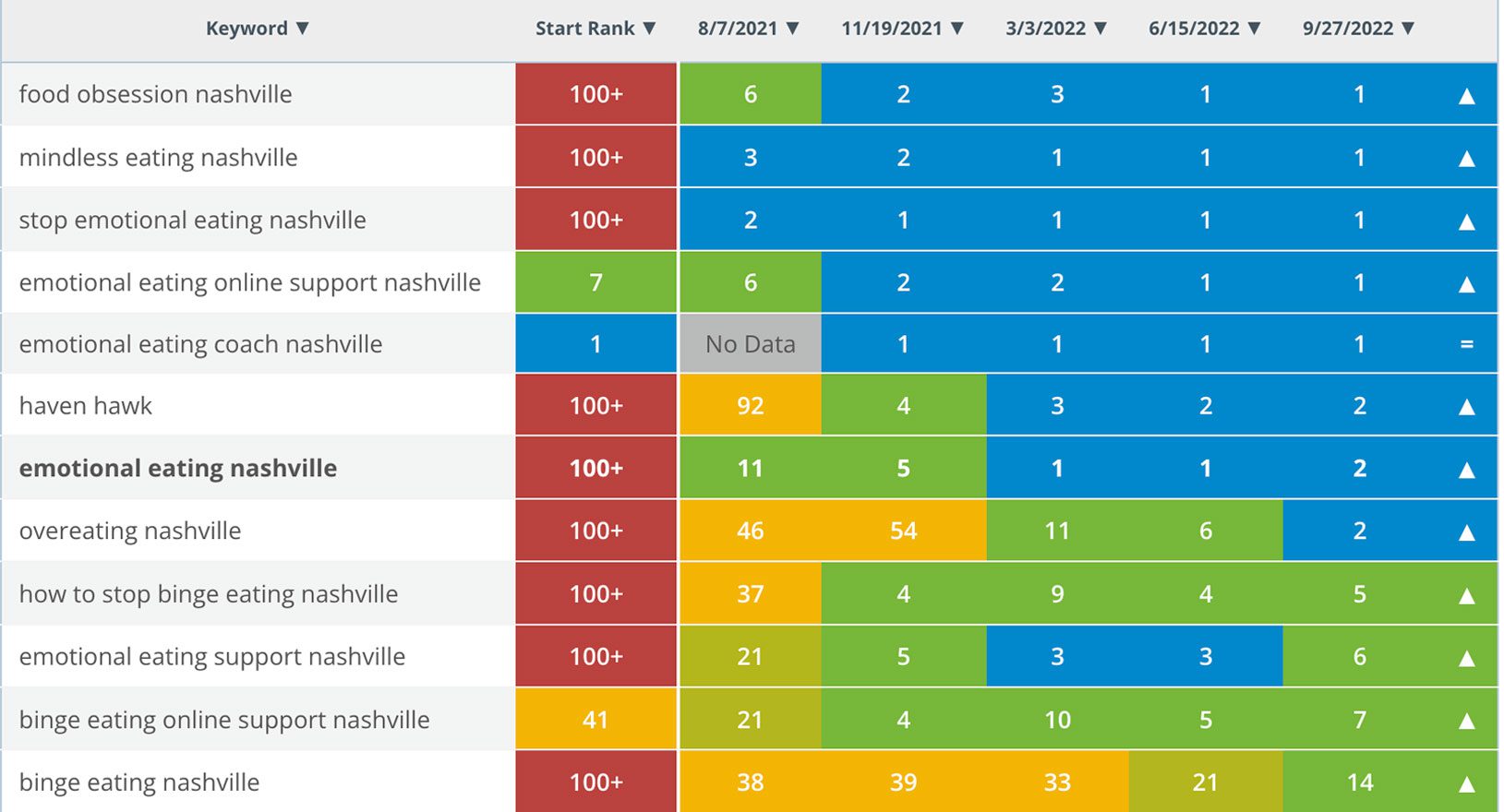
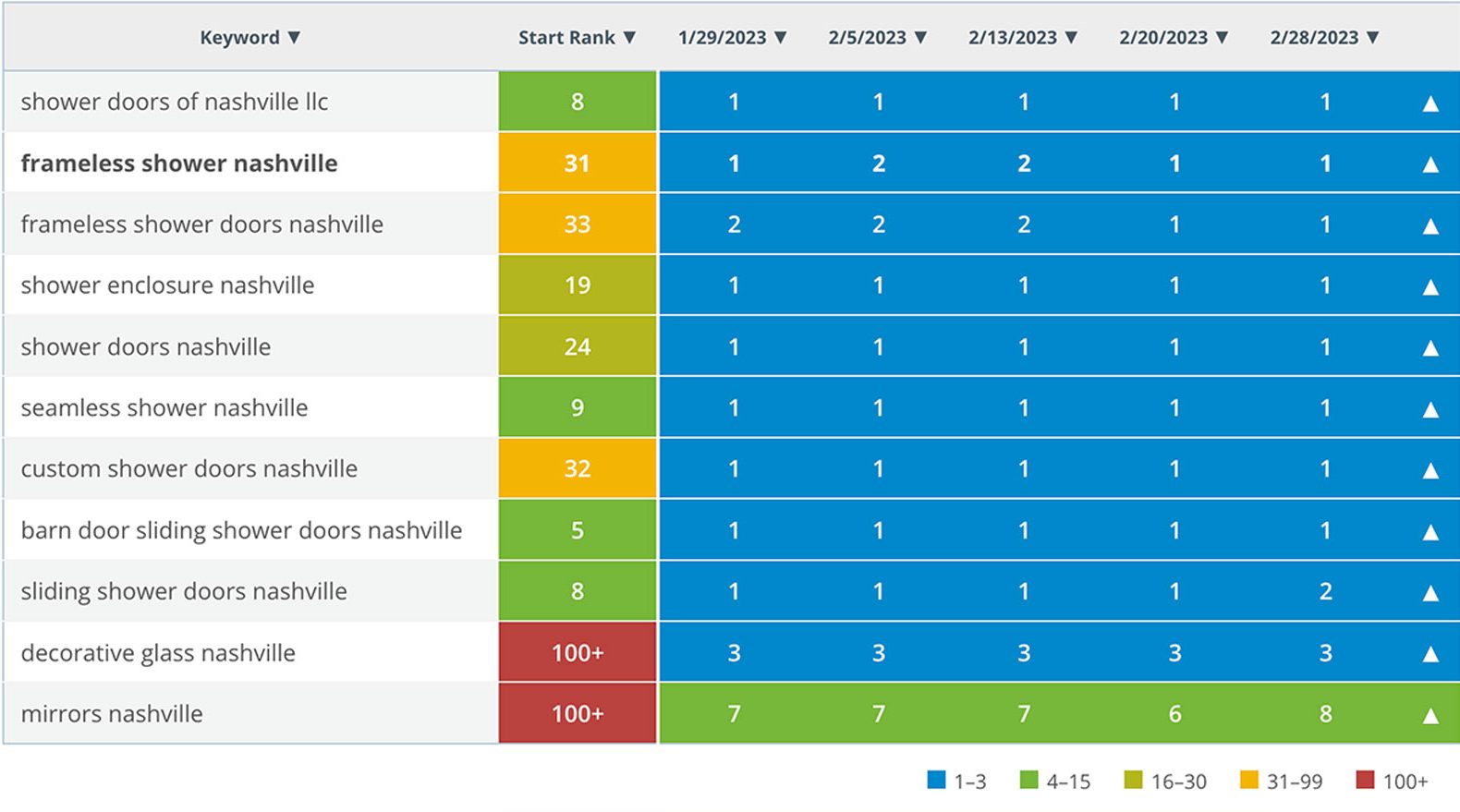
Below are SEO reports of real clients showing true SEO results.
Do you need an SEO and AI Search Visibility Agency?
Contact Horton about your website’s SEO, GEO, and AI search visibility services.
Nashville Search Engine Optimization Services
This SEO and AI Search Visibility Agency Will Get Your Website To Rank
Our Nashville SEO, GEO, and AI search visibility agency and in-house specialists have been developing websites with search engines and AI platforms in mind for over 28 years in the Nashville market. Since before the turn of the century, we realized the importance that search engine marketing was going to have on organic online traffic. Over the years, search engine optimization has continually evolved, and now AI SEO and generative engine optimization (GEO) are reshaping the landscape. Early SEO tricksters developed methods aimed at the manipulation of search engine algorithms. These SEO companies utilized tactics like massive link-building efforts, but the back-links were outrageously spammy and Google eventually back slapped these tricks. The SEO efforts of days gone by are now known as “blackhat SEO.” Trying to manipulate Google was not a viable long-term strategy; there was no true substance. SEO, GEO, and AI search visibility services these days offer a mix of web development chops and strategic content marketing.
Our agency specializes in inbound marketing. Horton knows SEO, GEO, and AI search visibility, and we have decades of experience in content marketing. Social media engagement, consistent blogging, and ongoing website updates are absolute necessities if your company is seeking dominant search engine rankings and AI search visibility. SEO service is no longer just HTML tags, stuffing keywords and building spammy back-links. Google and AI platforms now recognize when website visitors leave your website happy with the relevant content they were searching for. To learn more about inbound marketing, speak with an Inbound Strategist at Horton by submitting this form.
Developing an optimized website for both traditional search and AI search is our first step. Horton will always bring transparency to the conversation; we will share openly our professional SEO, GEO, and AI SEO recommendations for achieving the best results. There are many factors that contribute to improving your website’s visibility to search engines and AI platforms. We are well versed in keyword strategies, on-site SEO, AI search optimization, and can deliver these services to your company with a reasonable investment in digital marketing. This measured approach is especially useful for budget-conscious companies looking to get their first taste of success with search engine optimization and AI search visibility. SEO + AI search = traffic = inquiries = sales! Call Horton today to discuss how our services can help your company grow: 615-292-8642.



On-Site SEO
Horton Group’s SEO and AI search visibility agency in Nashville will thoroughly research your industry and conduct extensive keyword research related to your key services. We will uncover what your users are searching for online, both in traditional search engines and AI platforms, and then carefully optimize your website for these important keywords, also known as search terms. Skillfully integrating these terms into your headers, page titles, meta descriptions, and URLs will send the right signals to Google, other search engines, and AI-powered search tools regarding the key content that you want to rank for.
Organic online traffic can oftentimes be the highest and best converting traffic, and it’s important to capitalize on that by being strategic with your SEO and AI search visibility strategy. Making sure your website’s page titles are strategically optimized is an important part of the “on-site SEO” process, but that’s only a fraction of the recipe for achieving strong AI search visibility and traditional search rankings. Call Horton for more information.

Off-Site SEO
Our SEO and AI search visibility specialists will ensure your website is highly visible on search engines and AI platforms for the important search terms. You’ll also need to manage your social media signals and build links to your important content. Your business should create a digital footprint online and search results will reflect the size and depth of the footprint created.
Citations online, the listings in directories prevalent across the Internet, should be maintained properly. Horton SEO and AI search visibility services will make your listings consistent across all major directories and this will have a positive impact on your website’s search visibility across both traditional search engines and AI-powered platforms.
There are many factors to consider when choosing the right SEO and AI search visibility firm for building your online success story. Call Horton to learn more and see if we are the match for your company.